Spherical Molecular Sieves (3A,4A,5A): How to Select Proper Desiccant for Industrial Adsorption & Separation
August 11, 2026
安徽征越新材料科技有限公司
我们是一家高科技制造商,并通过了ISO9001:2015认证,在中国享有“一站式先进材料供应商”的美誉,专注于为高科技企业和科研院所提供高纯度金属和优质化工原料。我们与多家国内科研院所合作,共同开发新产品并改进产品加工体系。
Introduction
Water vapor and small molecule impurities frequently interfere with industrial production, triggering catalyst deactivation, pipeline corrosion and product quality degradation. Traditional adsorbents such as silica gel and activated alumina are limited in selective adsorption capacity and cannot separate specific tiny molecules precisely. Spherical molecular sieves feature uniform microporous structure with controllable pore size. By adjusting pore diameter, 3A, 4A and 5A spherical molecular sieves achieve targeted adsorption of water, ammonia, carbon dioxide and hydrocarbons, delivering higher adsorption efficiency and stronger selectivity than conventional drying materials. This article sorts out the characteristic differences and applicable working conditions of spherical 3A,4A,5A molecular sieves, supporting engineers to make reasonable material selection.

1. Core Differences of Spherical 3A,4A,5A Molecular Sieves
The core distinction lies in aperture size, which determines the molecules allowed to enter crystal cavities.
- 3A spherical molecular sieve: 0.3nm pore size. Only adsorbs water molecules, excludes larger molecules such as ethane, methanol and carbon dioxide. It avoids co-adsorption of raw material gas, widely used for dehydration of insulating glass, ethylene and natural gas.
- 4A spherical molecular sieve: 0.4nm pore size. Adsorbs water, carbon dioxide and ammonia, but cannot adsorb propane. Suitable for air drying, refrigerant dehydration and static drying of packaging systems.
- 5A spherical molecular sieve: 0.5nm pore size. Capable of adsorbing water, CO₂, n-alkanes and ethanol. It is the mainstream choice for petroleum n/iso alkane separation, oxygen enrichment and industrial air purification.
-
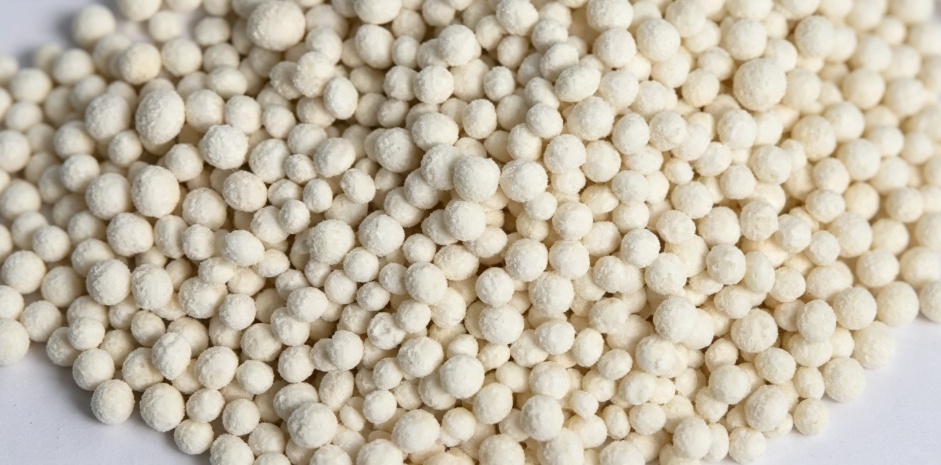
Spherical particle morphology brings prominent advantages: better fluidity, lower pressure drop inside adsorption towers, less dust generation compared with strip molecular sieves, extending service cycle of adsorption equipment.
2. Practical Selection Principles
- If your process only needs water removal without adsorbing hydrocarbon raw gas, choose spherical 3A molecular sieve;
- For general air drying and refrigerant dehydration scenarios, spherical 4A molecular sieve is the cost-effective option;
- When alkane separation or deep multi-component purification is required, spherical 5A molecular sieve is recommended.
Attention: Excessive dust, heavy oil and high temperature will accelerate sieve aging. Pre-filtration and temperature control are necessary to stabilize adsorption performance.
FAQ
Q1: Why choose spherical molecular sieve instead of strip type?
A: Spherical molecular sieve has uniform packing density, smooth airflow and low abrasion rate. It reduces pipeline blockage and prolongs the service life of adsorption beds.
Q2: Can molecular sieves be regenerated after saturation?
A: Yes. 3A,4A,5A spherical molecular sieves can complete desorption and regeneration under heating and vacuum conditions for repeated cycling.
Conclusion
Spherical 3A,4A,5A molecular sieves provide targeted solutions for industrial drying and gas separation, solving the low selectivity defect of silica gel and activated alumina. Matching pore size with target molecules is the key to stable adsorption efficiency.
We supply spherical molecular sieves with stable particle strength, low powdering rate and complete specifications of 3A,4A,5A. Custom particle sizes can be provided to match fixed adsorption towers and mobile drying equipment for continuous industrial operation.