安徽征越新材料科技有限公司
我们是一家高科技制造商,并通过了ISO9001:2015认证,在中国享有“一站式先进材料供应商”的美誉,专注于为高科技企业和科研院所提供高纯度金属和优质化工原料。我们与多家国内科研院所合作,共同开发新产品并改进产品加工体系。
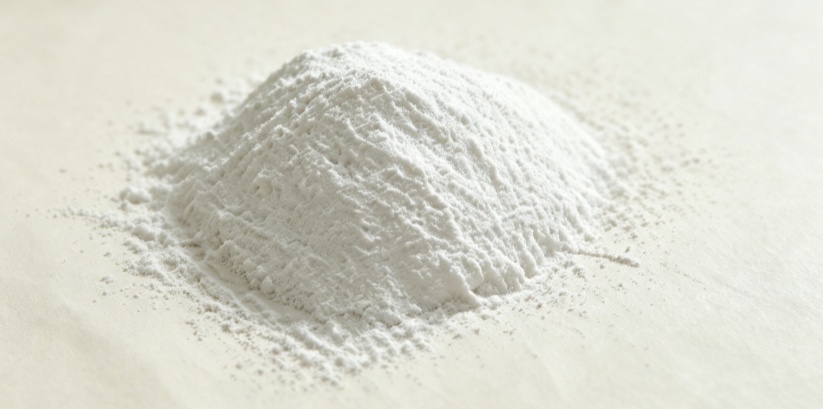
Modern cosmetic formulations continuously pursue smooth texture, long-lasting wear and water resistance, while avoiding oil separation, sagging and poor spreadability. Ordinary hydrophilic fumed silica easily absorbs moisture and leads to formula instability in anhydrous and low-water cosmetic systems. DDS surface-modified hydrophobic fumed silica is produced by treating nano fumed silica with dimethyldichlorosilane (DDS). The surface hydroxyl groups are replaced by organic silane groups, delivering excellent hydrophobicity, thickening, anti-settling and thixotropic effects. This article discusses its core properties and application advantages in cosmetic formulations, helping formulators optimize product performance.
Core Characteristic Advantages of DDS Modified Hydrophobic Fumed Silica
The cosmetic-grade hydrophobic fumed silica meets strict production indicators: silica content ≥99.8% (ignition basis), BET specific surface area 130±30 m²/g, tamped density 40~60 g/L, carbon content controlled at 0.6~1.2%.
Superior hydrophobic property. The surface DDS modification eliminates most hydrophilic silanol groups. The pH value of 4% water-methanol suspension ≥3.9 ensures stable compatibility with oil phases, anhydrous formulas, wax and ester systems, resisting moisture interference.
Reliable thixotropy and thickening capacity. Uniform nano particle network provides adjustable viscosity. It effectively prevents pigment settling, avoids sagging of liquid foundations, eyeliner and lip gloss, and improves storage stability.
Low volatile impurities. Strict control of loss on drying ≤0.7% and loss on ignition ≤2.5% reduces small molecule volatiles, lowering irritation risk and satisfying cosmetic safety standards.
Excellent sensory improvement. It delivers silky, non-greasy touch, reduces sticky feeling of oil-based formulas, and enhances spreadability of cream, paste and powder cosmetics.
Typical Cosmetic Application Scenarios
Anhydrous makeup: Lipstick, lip gloss, cream blush, powder foundation. It stabilizes pigment dispersion, improves shape retention and enhances transfer resistance.
Liquid makeup: Liquid foundation, concealer, eyeliner. Builds thixotropic network, prevents pigment sedimentation, maintains uniform color during long-term storage.
Skincare oil preparations: Facial oil, body oil, anhydrous serum. Optimizes oil texture, eliminates greasy residue and improves skin spreadability.
Sunscreen formulations: Disperses inorganic UV filters such as titanium dioxide and zinc oxide, reduces agglomeration and improves uniform UV shielding effect.
FAQ
Q1: What is the difference between DDS modified and HMDS modified hydrophobic fumed silica in cosmetics?
A: DDS-treated silica features stronger hydrophobicity and better oil phase compatibility, more suitable for highly anhydrous and long-wear makeup formulas.
Q2: How to avoid agglomeration during dispersion?
A: High-shear homogenization is recommended in oil phase. Gradual feeding under stirring helps fully build the silica network and exert thickening effect.
DDS modified hydrophobic fumed silica has become an indispensable multifunctional additive for premium cosmetics. Its balanced hydrophobicity, thixotropy and ultra-high silica purity effectively solve common formulation challenges including pigment settlement, poor texture and unstable storage.
We supply cosmetic-grade DDS hydrophobic fumed silica matching above specifications, stable batch indicators, complete safety data sheets, supporting customized technical guidance for cosmetic formulators.